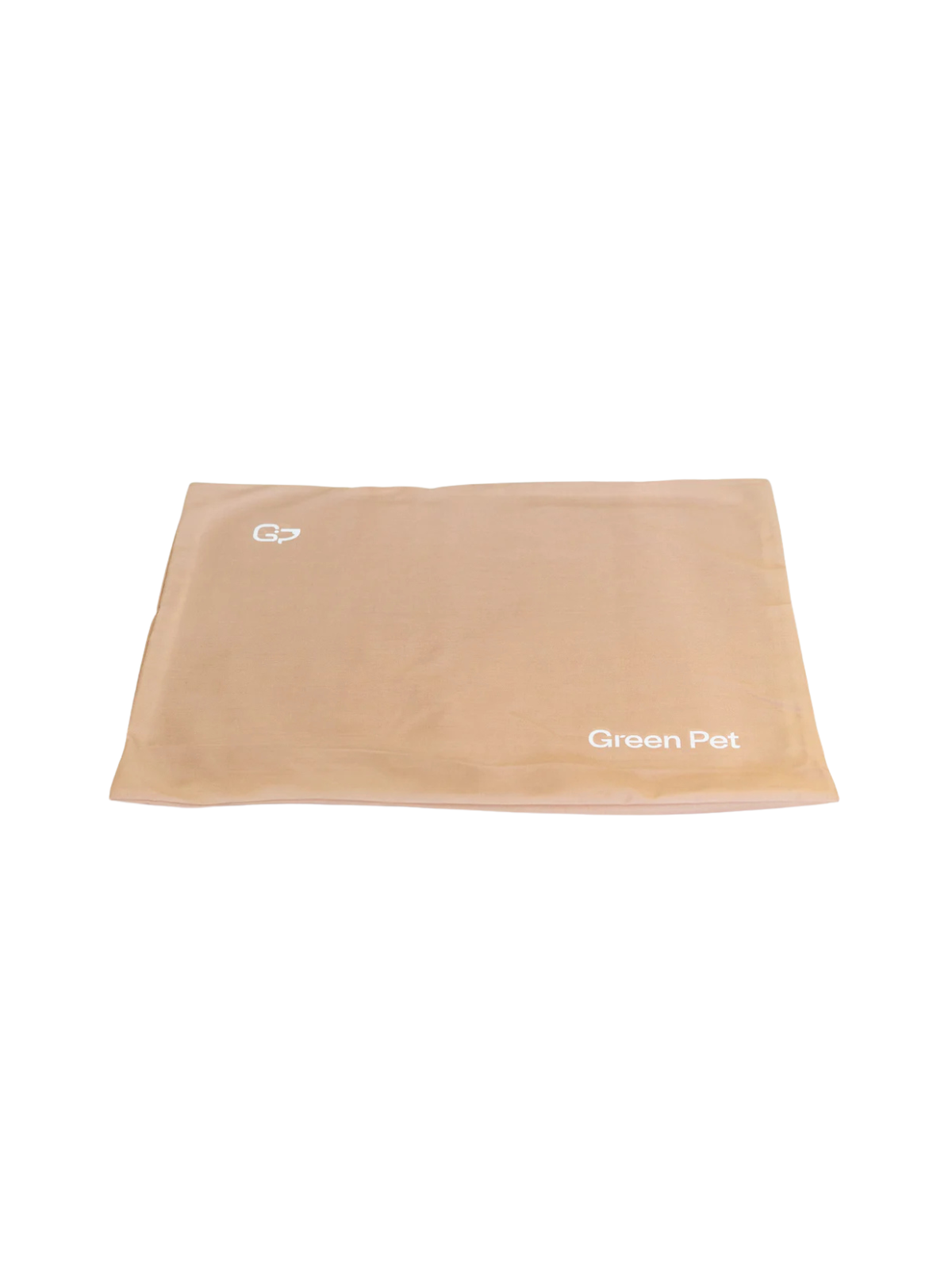

Lick mats have become one of the most recommended enrichment tools among vets and behaviourists. It isn't a trend. There's a real reason behind the calm.
If your small dog struggles with anxiety, boredom, or overstimulation, a lick mat might be the simplest thing you can add to their routine.
What actually happens when a dog licks
Licking isn't only a habit — it's a self-soothing behaviour. Repetitive, rhythmic licking is widely understood to engage the body's "rest and digest" response, the calmer state that settles heart rate and eases tension. It's associated with the release of endorphins, the chemicals behind a feeling of calm.
It's the same instinct behind a stressed dog licking their paws. A lick mat doesn't suppress that impulse — it redirects it into something focused, productive, and safe.
For small dogs, who are often more prone to anxiety and overstimulation than larger breeds, this matters more than most owners realise.
Five situations where a lick mat makes a real difference
Separation anxiety
Leaving the house is one of the most common triggers for small dogs. A frozen lick mat given just before you leave creates a positive association with your departure — and keeps them focused long enough to settle.
Grooming and bath time
Many vets and groomers now suggest bringing a lick mat to appointments to distract during examinations. Stick one to the bath wall during washing and the experience changes completely.
Loud noises
Fireworks, thunderstorms, construction. A prepared mat offered at the first sign of distress gives your dog something to focus on rather than the source of the noise.
Boredom and destructive behaviour
A dog that chews furniture or barks excessively is often simply under-stimulated. If your dog gets overly excited rather than anxious in certain situations, a lick mat can help redirect that energy somewhere less destructive.
Slow feeding
Small dogs are prone to eating too fast, which causes digestive discomfort. A lick mat naturally extends mealtime, easing digestion with no effort on your part.
How to use a lick mat
The basics are simple. Spread a soft food across the textured surface and let your dog work for it. The grooves and ridges create small pockets that engage the tongue and slow the process down.
To extend the session, freeze the mat for two to four hours before use. A frozen lick mat typically keeps a small dog occupied for 20 to 45 minutes — considerably longer than an unfrozen one.
Good fillings for small dogs:
- Plain Greek yoghurt (no sweetener)
- Mashed banana or sweet potato
- Wet dog food spread thinly
- Peanut butter — always check it's xylitol-free
Avoid anything with xylitol, grapes, onion, or artificial sweeteners. When in doubt, keep it simple.
What to look for in a lick mat for small dogs
Not all lick mats are designed with small dogs in mind. A few things worth considering:
- Size. A mat built for a Labrador is too large for a Chihuahua or Maltese. Look for mats sized proportionally — your dog should be able to reach the whole surface without straining.
- Texture depth. Finer textures suit smaller tongues. Deep grooves designed for large breeds can frustrate small dogs rather than engage them.
- Material. Food-grade silicone or BPA-free rubber are the standards to look for. Both are dishwasher-safe, which matters when you're using them daily.
- Suction cups. Useful for bath time, or any situation where the mat needs to stay put while your dog works on it.
Lick mats for small dogs: your questions answered
Are lick mats safe for small dogs?
Yes — as long as you supervise during use and choose a mat appropriate for your dog's size. Avoid leaving your dog unsupervised with a lick mat if they tend to chew rather than lick, as small pieces of silicone or rubber can be swallowed.
How often can I use a lick mat?
Daily use is fine. Many owners build them into a morning routine, feeding time, or a wind-down before bed.
Can puppies use lick mats?
Yes, once a puppy is weaned and eating solid food. Use softer fillings like mashed banana or plain yoghurt, choose a mat with a softer surface, and always supervise. If you're unsure whether your puppy is ready, your vet can advise.
Can I put a lick mat in the freezer?
Yes, and it's recommended. Freezing extends the licking session and makes it more challenging and rewarding. Prepare mats the night before and keep them ready in the freezer.
What's the difference between a lick mat and a slow feeder?
A slow feeder is typically bowl-shaped and designed mainly to slow down eating. A lick mat is flat, designed for spreadable foods, and adds the calming effect that comes from the licking motion itself.
A lick mat is one of the simplest, most effective additions to a small dog's daily routine — not because it's a distraction, but because it works with your dog's natural instincts to create calm.
Explore our full collection of lick mats, selected for small dogs and the homes they live in.